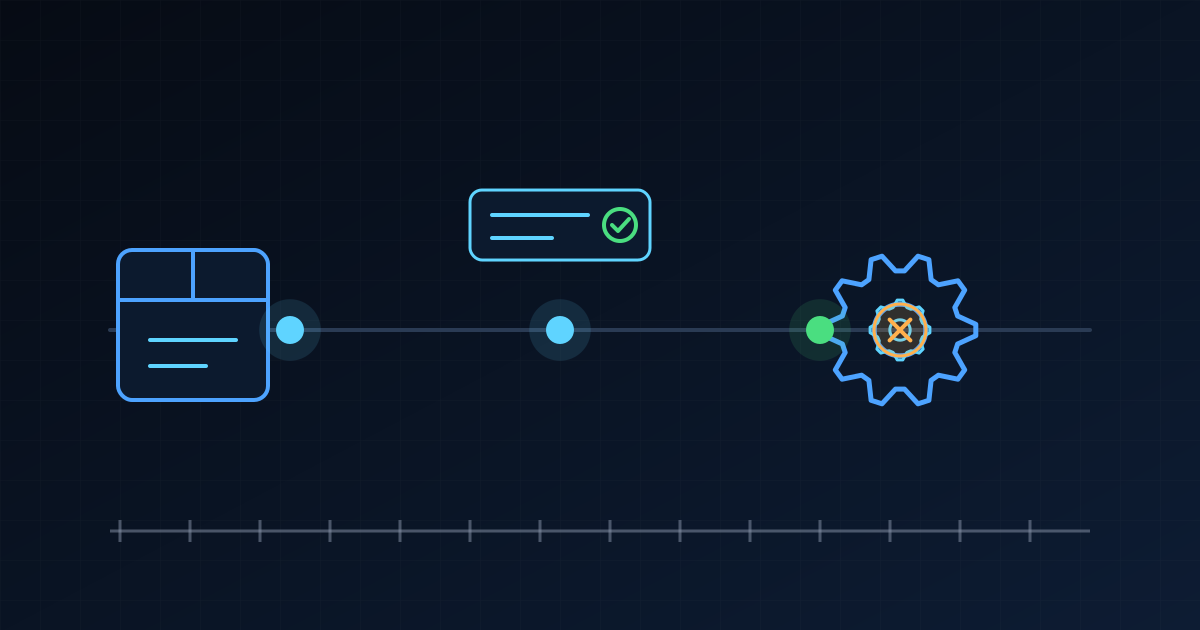
How a supplier of spare parts and equipment reaches plants at the moment they need a part, how offers are ordered fairly, and what it costs: free for three months, then US$10.99 a month.
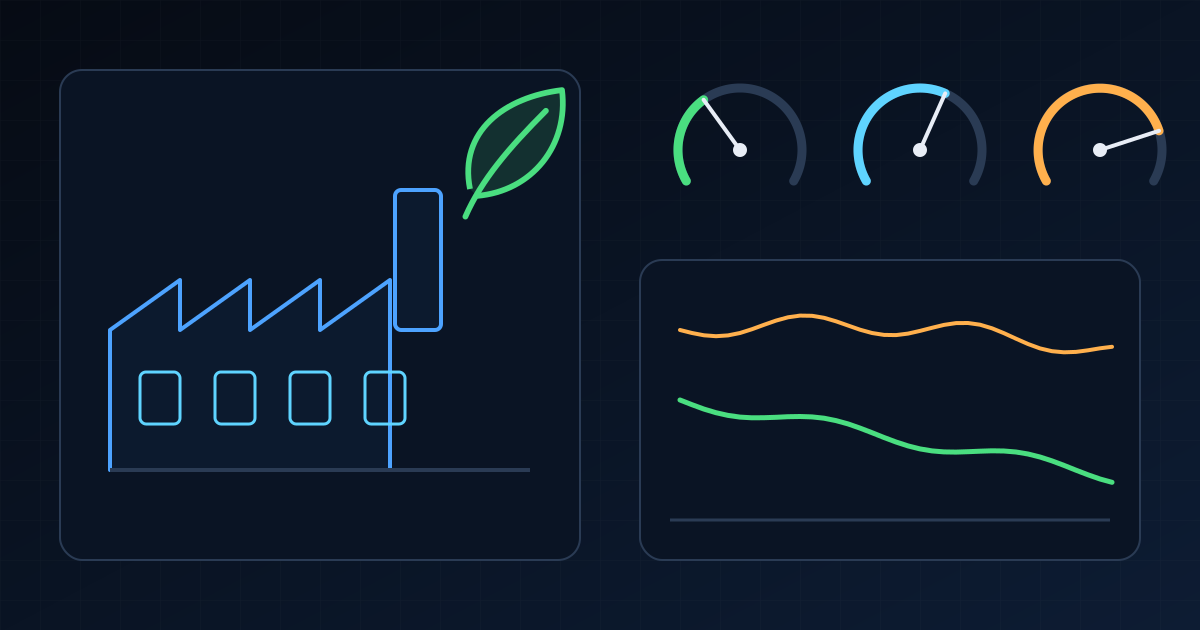
What ESG and a carbon footprint mean for a plant in plain words, why customers, banks and regulators ask for the data, why energy and emissions are cheaper to track with the data maintenance already collects, and what a combined system does and does not do.
The difference between reactive, preventive, condition-based and predictive maintenance in plain words, a comparison table, a three-question way to choose the strategy for each machine and how to combine them in one plant.
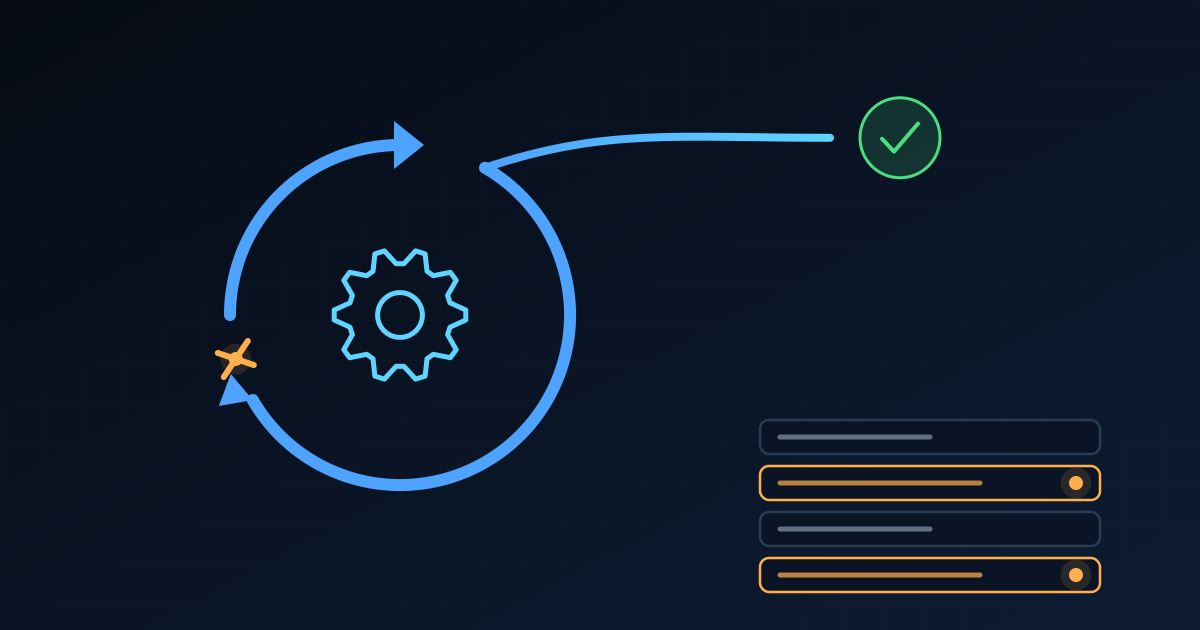
Why one machine keeps breaking down, how to find the real cause instead of repairing the symptom, a failure log and a five-step routine for a maintenance team, and which signals warn you before the next stop.
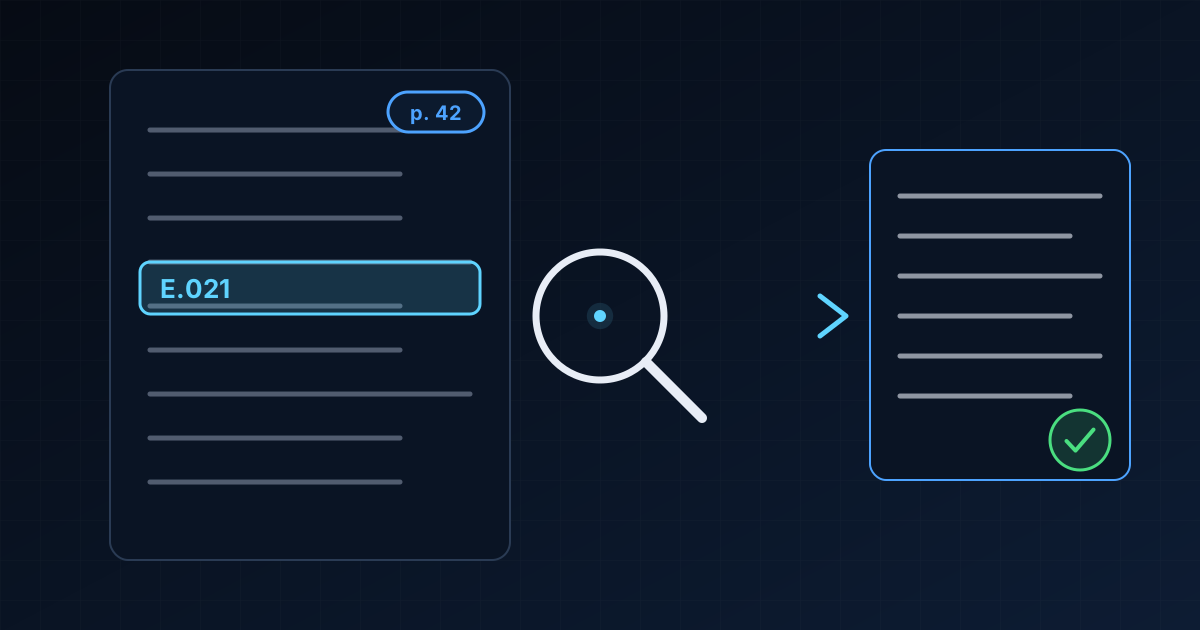
Most of a repair is working out what the machine is saying. Six places where manuals mislead (codes, units, translation, parts, versions, handwritten notes) and a checklist for reading service documents so that every answer can be traced to its page.
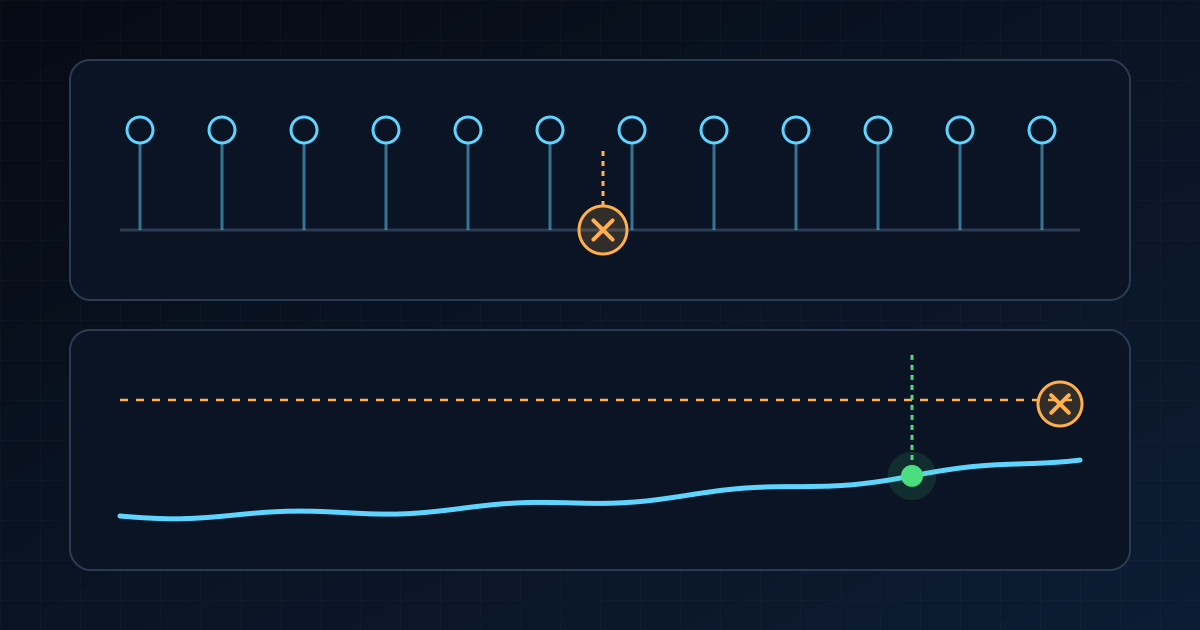
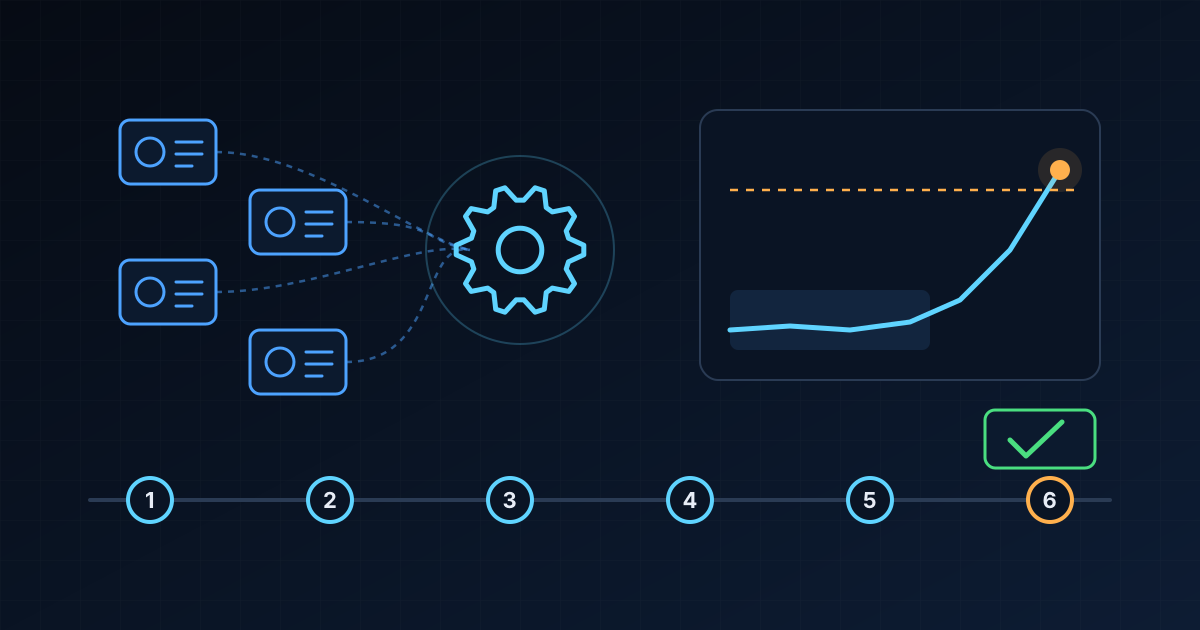
How to start predictive maintenance without a big project: which three to five machines to pick, what data you already have, how to agree success criteria and what to do each week.
How to link a failure forecast to purchasing: a simple rule for the order date, criticality classes for spare stock, and how to plan when delivery times are long or uncertain.
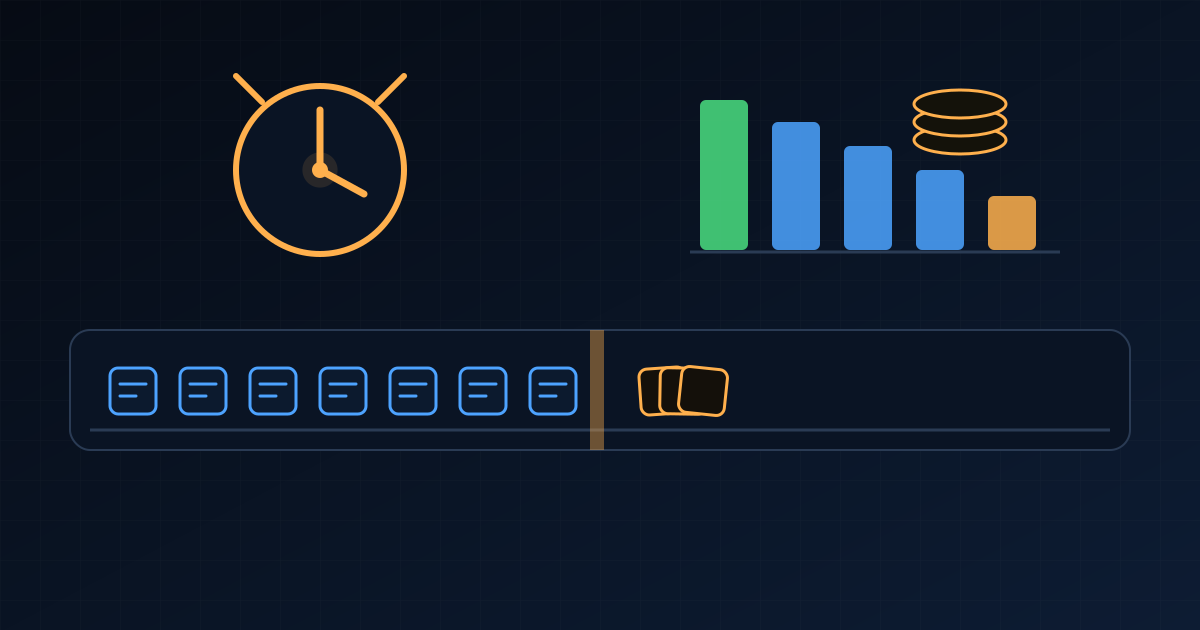
A practical way to put a number on an hour of unplanned downtime: what to count, what to leave out, a worked example and the mistakes that make the figure too low or too high.
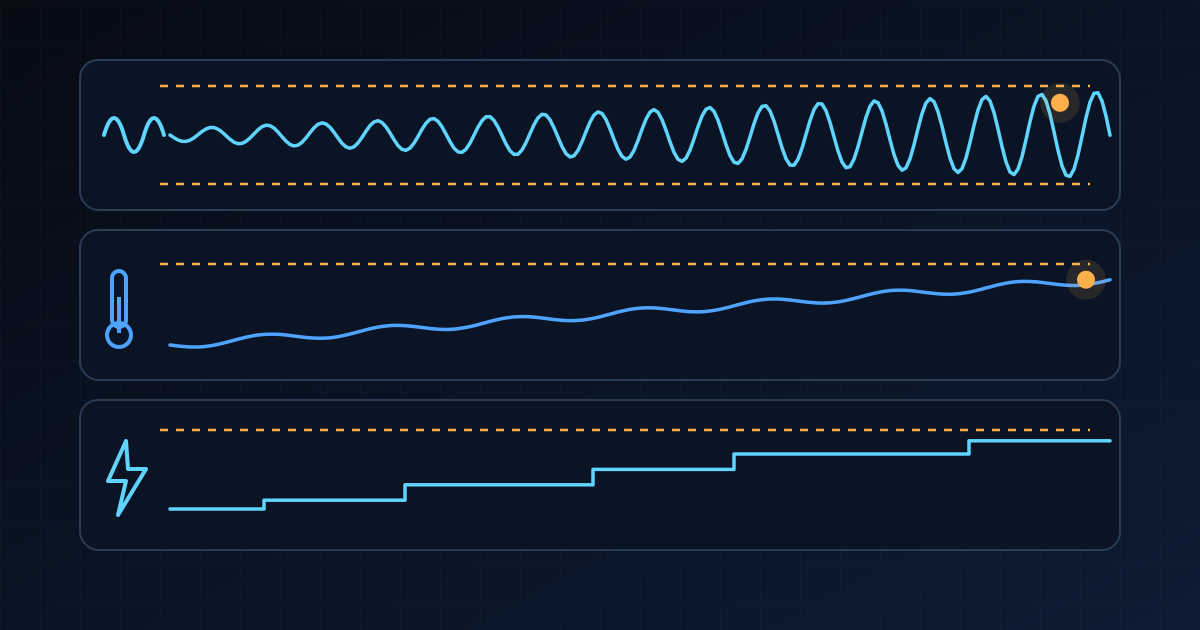
A practical guide to the main condition signals of rotating equipment: what vibration, temperature, current, pressure and cycle counts reveal, how early, and where each one is blind.